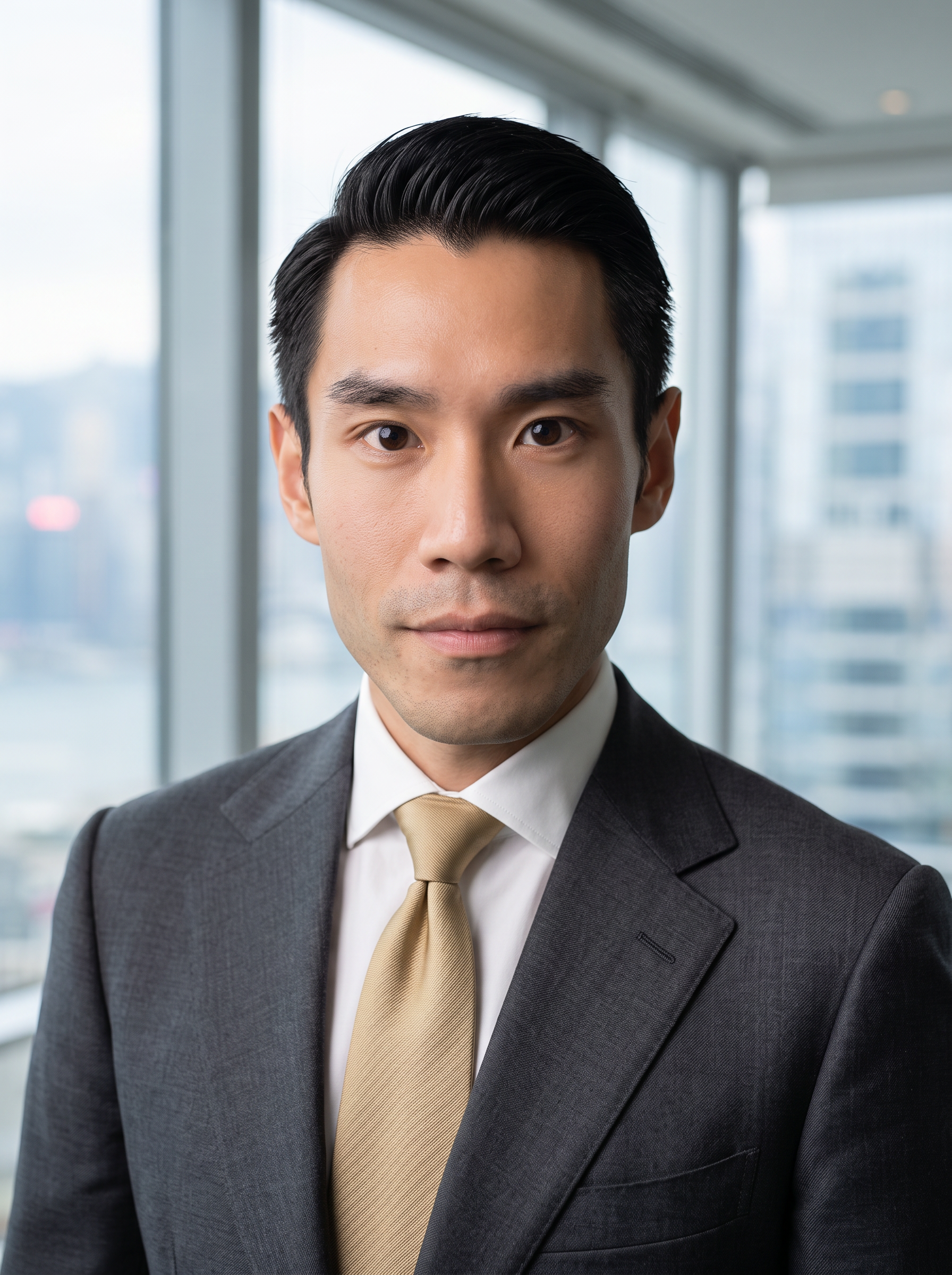
01 / Toronto → Hong Kong
Toronto was the starting point.
I was born in Toronto, Canada, into a family shaped by two systems. My grandfather was a university professor and one of Hong Kong’s early educational textbook publishers. My father and family worked in energy manufacturing and deployment.
At eight, I moved back to Hong Kong. Two homes became my normal: Canada gave me distance; Hong Kong gave me density, speed, and the instinct to move between worlds.
What stayedIdeas matter only when they can be taught, built, and deployed.
02 / Hong Kong → Vancouver
Economics met culture early.
I attended Raimondi College, an all-boys school, during the final year of Hong Kong’s HKCEE. In high school, art, design, and culture developed alongside economics. I earned an A in HKCEE Economics.
I then moved back to Canada, this time to Vancouver, and studied Finance at the Beedie School of Business at Simon Fraser University.
What stayedA market is numbers and incentives — but also taste, identity, and behavior.
03 / Finance → Product → Founder
After M&A, I chose to make something.
After school, I spent two years in mergers and acquisitions. Operating work then showed me how product, customer behavior, culture, and founder conviction can combine into one business.
I moved to New York and launched my own consumer venture.
What stayedA point of view must survive product, production, and customers.
04 / New York · Tokyo · Shanghai
I took the work into new markets.
I developed the venture across New York, Tokyo, and Shanghai, building distribution through more than 20 high-end retail partners, including Joyce in Hong Kong and Shanghai.
I learned the difference between being seen and being bought: awareness creates perception; distribution, delivery, and repeat belief create the business.
What stayedVisibility matters. Conversion proves whether perspective travels.
05 / Shanghai · China
I built a route into the Chinese market.
In Shanghai, I started another venture bringing foreign brands and secondhand luxury goods into China. We supplied retailers across the country and worked across wholesale, retail, supply chain, PR, and market entry.
This was cultural translation as operating work: what a brand means abroad is not automatically what it means in China.
What stayedCross-border value has to be translated, not simply transported.
06 / Covid · The reset
Covid changed the questions.
The pandemic changed the trajectory of both ventures and my career. I developed a passion for longevity, working around longevity supplements and building a stem-cell trading network across Southeast Asia.
That path led into digital assets, where I worked on fundraising. The sectors changed; the work kept returning to trusted relationships across fragmented markets.
What stayedWhen the world resets, new trust infrastructure becomes valuable.
07 / Back to finance
I returned to deal-making with more lenses.
I came back to finance through fundraising, capital formation, investment advisory, and deal origination. I have worked around major global investment platforms, family offices, growth capital, private equity, and licensed intermediaries, without naming private funds or counterparties here.
For Chinese AI and emerging-technology companies seeking international capital, that can mean translating the opportunity for foreign investors and strategic capital, connecting the company to relevant family offices, funds, and strategic partners, then helping both sides evaluate fit beyond the deck.
The work can be an introduction, advice, transaction structuring, or investment evaluation — not a claim that every relationship becomes a deal. I do not meet a company as a spreadsheet alone: I see the product, cultural signal, operating constraint, distribution problem, founder psychology, and capital structure together.
What P/P meansPerception sees the category. Perspective sees the whole system.